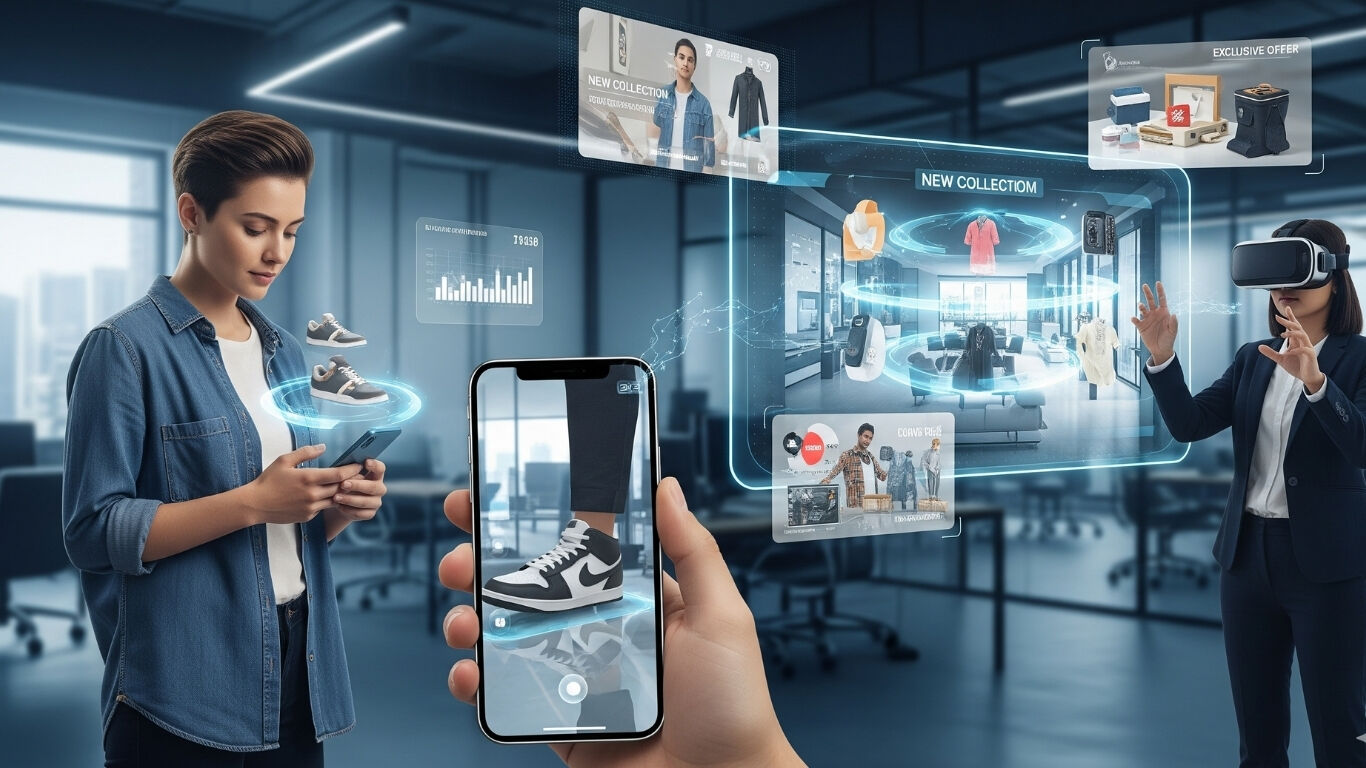
The digital marketing landscape is evolving at an unprecedented pace, and brands are constantly seeking new ways to captivate, engage, and convert consumers. Among the most transformative technologies today are Augmented Reality (AR) and Virtual Reality (VR). These immersive tools are no longer just futuristic concepts; they are real, accessible, and delivering measurable results for businesses across industries. From interactive product try-ons to virtual brand experiences, AR and VR marketing is creating powerful connections between brands and audiences like never before.
In this blog, we explore how AR and VR are being used in digital marketing, highlight real-world case studies, and provide insights into why brands should consider integrating these technologies into their strategies.
Why AR and VR Matter in Digital Marketing
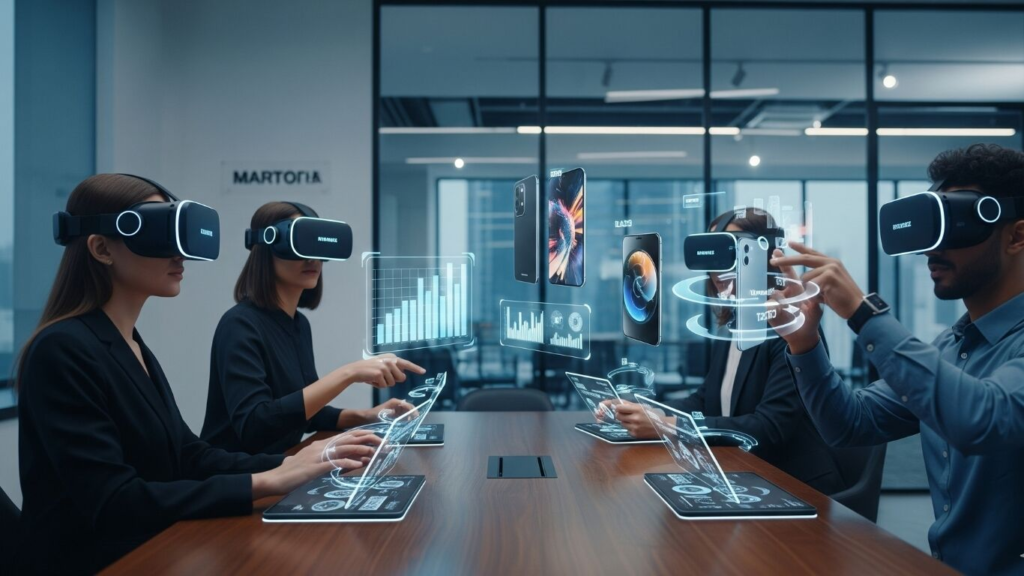
AR and VR stand out because they shift users from passive viewers to active participants. Traditional advertising formats often fail to hold attention or spark engagement. In contrast, immersive experiences encourage exploration, deepen emotional connections, and provide memorable brand interactions that are more likely to convert.
As privacy regulations tighten and user expectations rise, AR and VR marketing offers a creative edge, allowing brands to personalize content, create value-driven interactions, and build loyalty—all without relying on intrusive data practices.
Augmented Reality (AR) in Digital Marketing
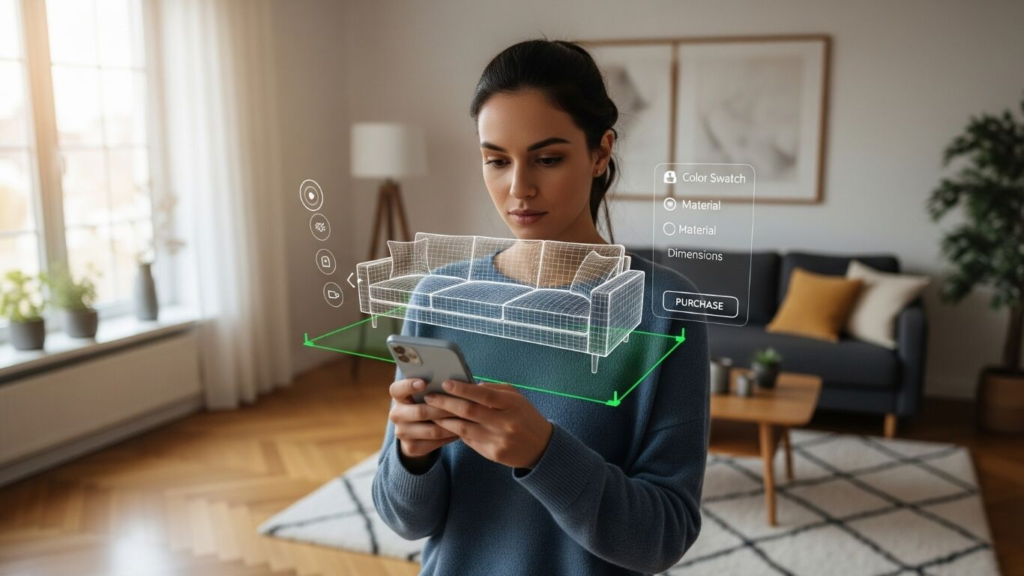
AR enhances the real world by overlaying digital elements—such as images, videos, or 3D models—onto a user’s physical environment, typically through smartphones, tablets, or AR glasses. Here’s how brands are using AR to transform marketing:
1. Interactive Product Demonstrations
Virtual Try-Ons:
Retailers like Sephora, Warby Parker, and Gucci have integrated AR into their apps and websites to allow customers to try on makeup, glasses, and shoes virtually. This not only improves confidence in purchase decisions but also reduces return rates significantly.
In-Home Product Visualization:
Furniture brands like IKEA use AR to let consumers visualize how sofas, tables, or shelves would look in their homes. IKEA’s Place App is a prime example of how AR enhances convenience and supports decision-making.
Size & Fit Assistance:
Clothing and shoe brands leverage AR to provide sizing recommendations by overlaying digital models on the user’s body. This ensures a better fit and minimizes sizing-related returns.
2. Immersive Storytelling
AR Packaging and Print Media:
Brands like 19 Crimes Wine and Coca-Cola have added AR-triggering QR codes to packaging. These codes unlock digital stories or animations when scanned, enhancing the consumer experience and offering a deeper look into brand narratives.
Gamified Brand Experiences:
Burger King’s “Burn That Ad” campaign allowed users to point their phones at competitors’ ads and virtually burn them for rewards. This creative use of AR turned passive advertising into an interactive game.
Cultural Engagement:
Museums and tourism boards are using AR to bring history and culture to life. From interactive tours of ancient ruins to immersive exhibits, AR bridges the gap between the past and present, education and entertainment.
3. Interactive and Experiential Advertising
Augmented Out-of-Home (OOH) Campaigns:
Pepsi’s London bus shelter campaign, where users witnessed AR-generated flying saucers and robots, generated viral buzz, resulting in a 35% spike in sales and massive media coverage.
Social Media Filters:
Instagram and Snapchat AR lenses are driving user-generated content. Branded filters encourage users to engage creatively, resulting in viral reach and authentic promotion.
AR Product Catalogs:
Retailers are transforming catalogs into interactive AR experiences, allowing customers to explore products in 3D through their devices, increasing dwell time and conversion rates.
Virtual Reality (VR) in Digital Marketing
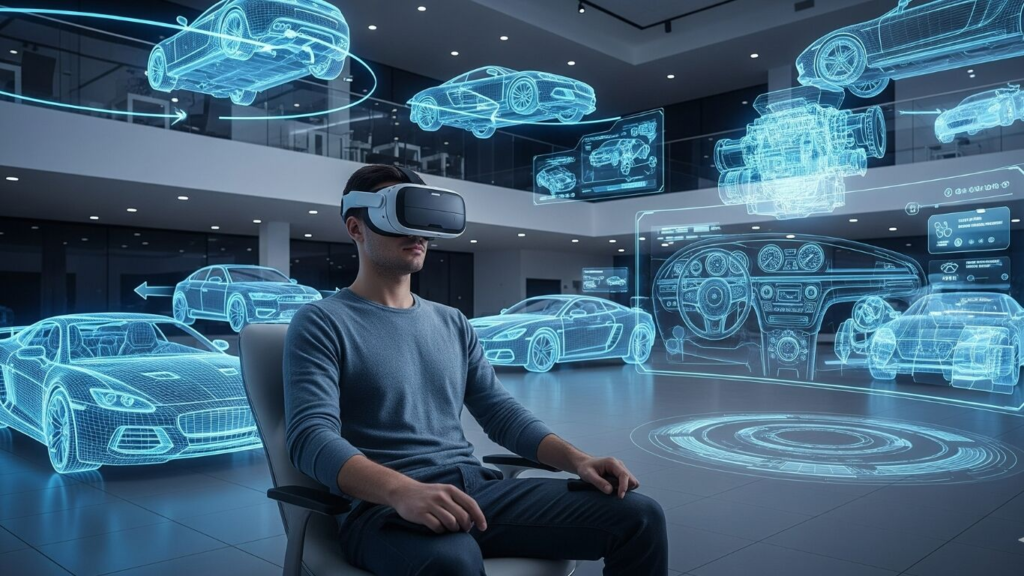
VR offers fully immersive, computer-generated environments that users can interact with through headsets like Oculus Rift or HTC Vive. It enables brands to create unique virtual worlds, simulations, and branded spaces. Key applications include:
1. Virtual Product Demos and Showrooms
Immersive Walkthroughs:
Automobile companies like Audi and Volvo provide virtual test drives, allowing users to explore vehicle features from the comfort of their homes. Similarly, real estate companies offer virtual home tours, reducing the need for physical visits.
Complex Product Demonstrations:
VR is useful in industries such as healthcare or tech, where products are technical or expensive. By simulating product use, companies educate users while highlighting unique value propositions.
2. Immersive Storytelling and Brand Worlds
Empathy-Based Marketing:
TOMS used VR to take customers on a “Virtual Giving Trip,” allowing them to experience the social impact of their purchases. This created a deeper emotional bond and reinforced brand purpose.
360° Video Campaigns:
OREO‘s “Wonder Vault” campaign immersed users in a magical cookie world, combining storytelling with product promotion in a fun and imaginative way.
Virtual Events and Runway Shows:
Brands in fashion and entertainment are using VR to host events, shows, and concerts, eliminating geographical limitations while offering a front-row experience to global audiences.
3. Interactive VR Advertising
Branded VR Games:
Some companies are integrating products into VR games, where users interact with the brand as part of the storyline. This increases session time and retention.
Behavioral Analytics:
VR offers detailed user insights through head tracking, gaze monitoring, and interaction mapping. These metrics provide a clear picture of what users are engaging with, informing future campaign optimization.
Real-World Examples and Engagement Benefits
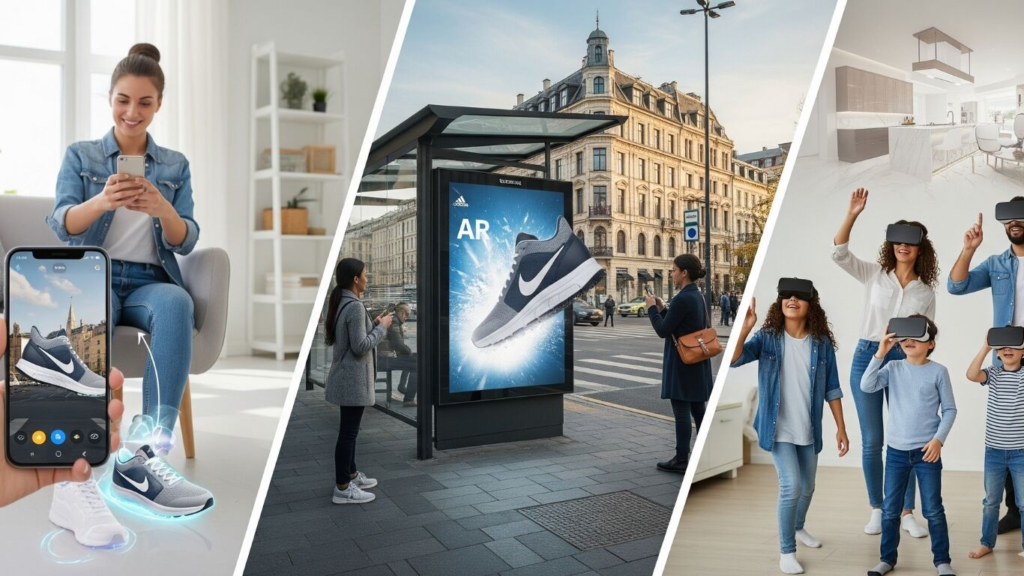
AR – Virtual Try-Ons & In-Home Visualization
Augmented Reality helps customers make smarter purchase decisions by letting them try products virtually or visualize them in their own space. This not only boosts conversion rates but also reduces returns. Great examples include the Gucci Sneaker Try-On and the IKEA Place App, where customers can see items before buying.
AR – Gamified Ads & Social Filters
Gamified AR experiences and social filters drive high engagement by encouraging shares, mentions, and organic reach. Campaigns like Pepsi’s interactive bus shelter and Burger King’s AR ads show how playful experiences can quickly capture attention and spread across social platforms.
VR – Virtual Showrooms & Product Simulations
Virtual Reality immerses users in showrooms and product simulations, giving them a better understanding and stronger intent to purchase. Volvo’s virtual test drives and VR real estate tours are strong examples of how brands bring products and spaces to life in a digital-first way.
VR – Storytelling & Virtual Events
VR also enables powerful storytelling and interactive events that create emotional loyalty and lasting brand recall. Experiences like the TOMS Giving Trip and the OREO Wonder Vault show how VR can go beyond selling products to building meaningful connections with audiences.
Why AR and VR Marketing Works
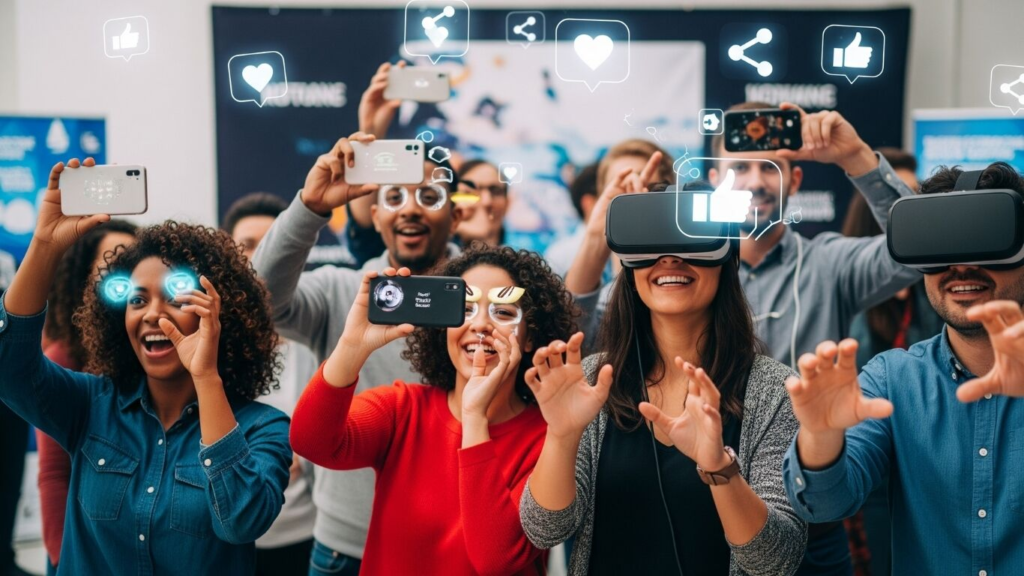
- Enhanced Engagement:
Interactive content holds attention longer than traditional ads, increasing the chances of conversion. - Improved Decision Making:
Virtual try-ons and demos provide accurate product understanding, reducing purchase hesitation. - Memorability and Shareability:
Unique experiences are more likely to be remembered and shared, especially on social media platforms. - Customer-Centric Approach:
AR and VR prioritize user experience, offering convenience, personalization, and entertainment. - Data-Driven Optimization:
Especially with VR, advanced metrics allow marketers to refine campaigns based on real engagement data.
Challenges to Consider

While AR and VR offer significant benefits, businesses should be aware of certain challenges:
- Technology Accessibility: Not all users have access to AR-enabled devices or VR headsets.
- Development Costs: High-quality AR/VR experiences require investment in design, development, and testing.
- User Adoption: There may be a learning curve for users unfamiliar with immersive technology.
- Integration with Existing Platforms: Compatibility with eCommerce, CRM, and social platforms needs careful planning.
Future Trends in AR and VR Marketing
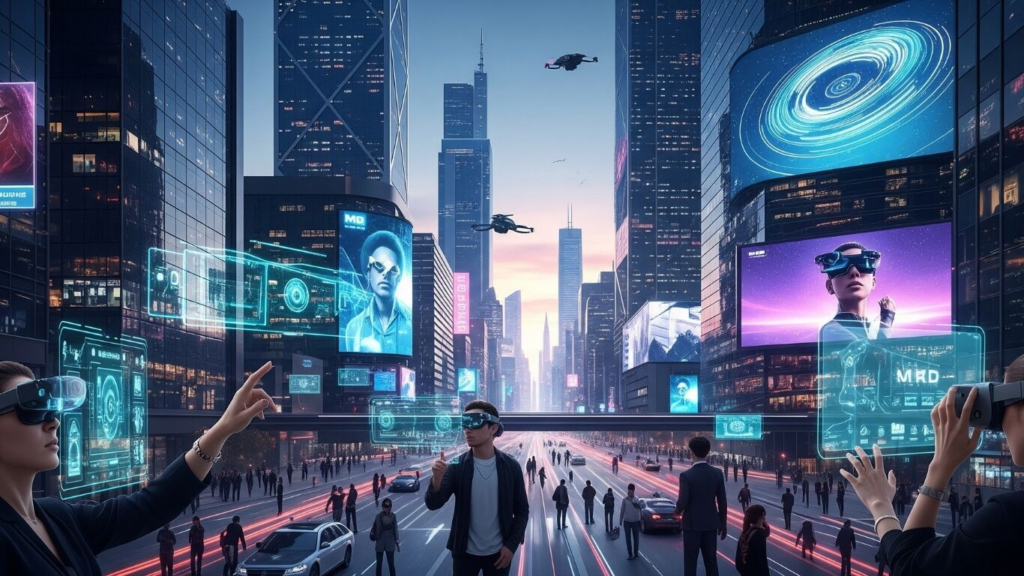
- Web-Based AR (WebAR):
Reduces the need for apps by allowing AR experiences directly in browsers. - AI-Driven Personalization:
AR/VR tools will become more intelligent, offering tailored experiences based on user preferences and behavior. - Mixed Reality (MR):
A hybrid of AR and VR, MR will allow users to interact with both real and virtual elements simultaneously, offering even richer experiences. - Metaverse Integration:
Brands will increasingly explore immersive advertising within virtual worlds, building presence in metaverse platforms
Conclusion
AR and VR marketing are no longer just experimental; they are powerful, scalable tools that are reshaping digital marketing. By integrating these technologies, brands can create engaging, personalized, and emotionally resonant experiences that stand out in a crowded marketplace. From virtual try-ons and immersive product demos to gamified ads and virtual brand events, AR and VR are redefining what it means to connect with an audience.
Early adopters are already seeing measurable gains in brand awareness, user engagement, and customer loyalty. As technology becomes more accessible and consumer expectations evolve, leveraging AR and VR in digital marketing will become not just an advantage—but a necessity.
To stay ahead of the curve, brands must embrace immersive technologies now, crafting memorable, interactive experiences that deliver value beyond the screen.