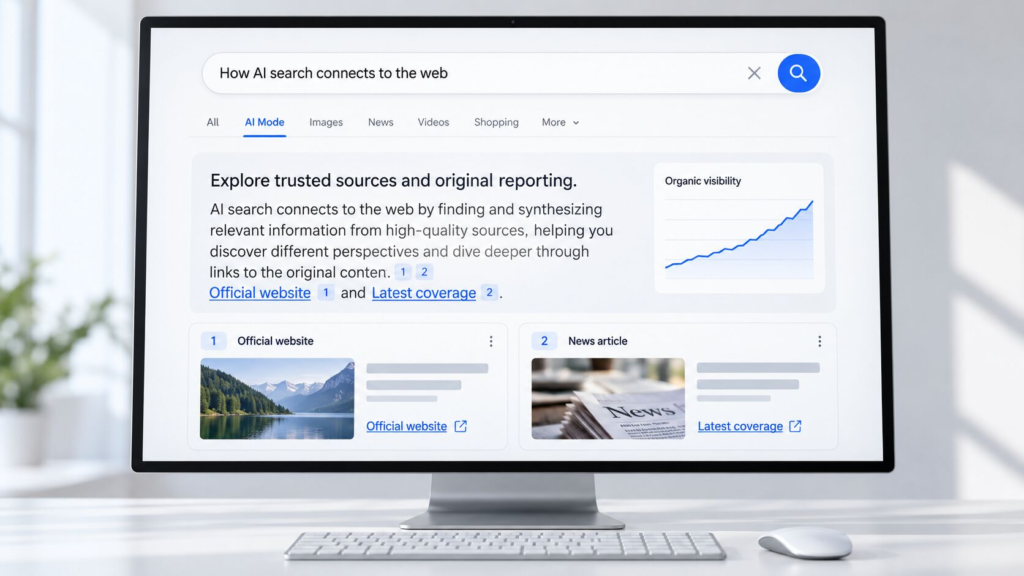

In today’s digital-first economy, customer expectations have evolved dramatically. Instant responses, personalized interactions, and around-the-clock service are no longer considered perks—they are standard expectations. To meet these rising demands without expanding overhead costs, businesses are turning to a powerful tool: AI-powered chatbots and virtual assistants.
From handling inquiries at midnight to guiding shoppers through a purchase journey in real time, chatbots are becoming indispensable for customer support, sales, and brand engagement. They don’t sleep, take breaks, or have off-days. This consistency makes AI chatbots for business a strategic investment for companies seeking growth, efficiency, and better customer experiences.
Why AI Chatbots Matter in Modern Business

Unlike traditional customer service channels that rely heavily on human intervention, AI chatbots use machine learning and natural language processing to understand, respond, and adapt to customer conversations. Their capabilities extend beyond basic scripted replies. Today’s advanced bots can recommend products, schedule appointments, process transactions, and even troubleshoot technical problems—all with minimal human oversight.
This level of automation allows businesses to handle hundreds, even thousands, of interactions simultaneously. Whether it’s answering routine FAQs or capturing qualified leads during peak website traffic, chatbots scale effortlessly to match demand.
But the true power of chatbots lies not just in automation. It’s in their ability to enhance the entire customer journey—from first contact to post-sale support.
Supporting Business Growth Through 24/7 Customer Engagement

One of the most critical advantages of AI chatbots is their round-the-clock availability. Traditional support systems are restricted by business hours and time zones. Chatbots, however, operate continuously, ensuring your customers and prospects are never left waiting for assistance.
This 24/7 service model has a direct impact on business growth. It reduces customer drop-offs, improves retention, and builds trust—especially for global or e-commerce businesses that serve clients across different geographies. When a visitor lands on your website at 2 a.m. and gets instant answers, it reflects professionalism, reliability, and attentiveness.
Moreover, immediate responses reduce bounce rates and keep users engaged. Even a 30-second delay can cause users to exit your site. Chatbots eliminate this friction by providing instant engagement, guiding visitors through your offerings, and prompting them toward meaningful actions—such as signing up, requesting a quote, or making a purchase.
Enhancing Lead Generation with Smart Conversations

Generating leads is more than just getting contact information. It’s about identifying qualified prospects, understanding their intent, and nurturing their interest. AI chatbots excel in this area.
Instead of static lead capture forms, chatbots offer dynamic, conversational experiences. They can ask relevant questions, assess user needs, and collect data in real time. This process not only feels more human but also results in better-qualified leads. By the time a sales team gets involved, the chatbot has already done the groundwork—filtering out cold leads and highlighting those who are ready to buy or engage.
Chatbots can also remember user preferences and return visitors, enabling more personalized and context-rich conversations. For example, a returning customer interested in marketing software might receive a tailored product recommendation or an invitation to a demo—without ever interacting with a human agent.
This proactive and contextual lead nurturing significantly improves conversion rates. Customers get relevant answers faster, and businesses are able to guide users smoothly from interest to action.
Reimagining Customer Support Through Automation

Customer service is often the face of your brand. Long wait times, unhelpful answers, or repeated transfers between departments can severely damage your reputation. AI chatbots address these issues head-on by offering fast, accurate, and consistent support experiences.
They can handle a wide range of support functions—from tracking orders and resetting passwords to explaining service terms and providing how-to instructions. In doing so, they reduce the volume of incoming tickets that human agents need to address. This not only cuts operational costs but also ensures that complex or sensitive issues get more focused attention.
For industries like retail, healthcare, banking, or travel—where queries can come from multiple platforms—chatbots offer a unified support experience. Whether customers reach out via your website, Facebook Messenger, WhatsApp, or a mobile app, they receive consistent responses and smooth interactions.
Customers no longer want to repeat themselves across channels or agents. AI chatbots solve this pain point by maintaining conversational context and integrating with backend systems to pull order details, preferences, and support history in real time.
Improving the Buyer Journey Across Every Stage
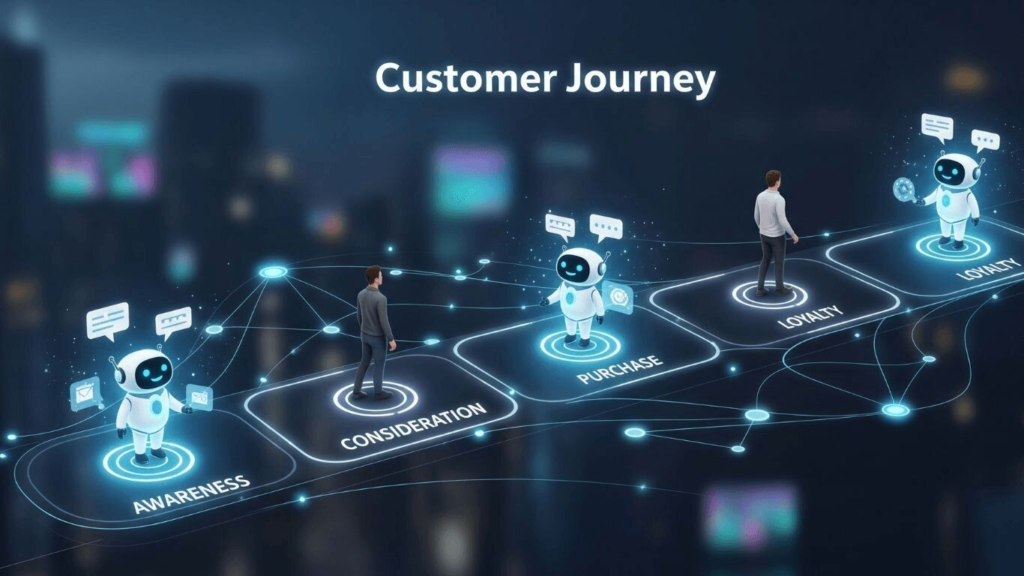
AI chatbots are not limited to customer service. They play a strategic role in optimizing each phase of the buyer journey. When used effectively, chatbots can become a valuable touchpoint in your overall sales funnel.
In the awareness stage, they greet new visitors, share brand information, and offer interactive content such as quizzes or surveys to better understand user intent.
During consideration, chatbots provide in-depth product comparisons, FAQs, and testimonials. They respond to objections, explain benefits, and deliver relevant offers based on user behavior.
At the conversion stage, they can assist in completing purchases, answering last-minute queries, or resolving checkout-related issues that might otherwise result in cart abandonment.
Even after a purchase, chatbots continue to add value. They help customers track orders, request returns, leave feedback, or access product usage guides—ensuring a satisfying post-sale experience that builds loyalty and increases the likelihood of repeat purchases.
By strategically placing chatbots at these key stages, businesses reduce customer effort, improve satisfaction, and turn interactions into opportunities for growth.
Practical Steps for Business Owners to Implement Chatbots

While the benefits of AI chatbots are substantial, their effectiveness depends heavily on thoughtful implementation. Businesses that rush into chatbot deployment without a strategy often fail to realize their full potential.
Start by defining your objectives. Ask: What problem should the chatbot solve? Is the goal to reduce support costs, improve lead quality, assist with sales, or all of the above? Clear goals will help shape the bot’s scope, tone, and functionality.
Next, begin with a focused deployment. Launch your chatbot on one or two high-impact use cases, such as handling FAQs or capturing leads during high-traffic periods. Monitor performance closely, gather feedback, and make refinements before scaling to more complex functions.
One critical aspect is training your chatbot with high-quality data. Ensure it has access to an updated knowledge base, accurate product details, and customer insights. The better the information it draws from, the more helpful and intelligent its responses will be.
Choosing the right chatbot platform is equally important. Look for solutions that integrate with your CRM, website, messaging apps, and analytics tools. Scalability and security should be top priorities, especially for businesses handling sensitive data or expecting high user volume.
Lastly, remember that automation should complement—not replace—human support. There will always be cases that require empathy, judgment, or negotiation. Make it easy for users to escalate from the chatbot to a human agent when needed. A smooth transition ensures your chatbot enhances the customer experience, rather than frustrating it.
The Future of AI Chatbots in Business

AI chatbots are still evolving. With advancements in natural language understanding, generative AI, and emotion detection, tomorrow’s chatbots will be even more capable of handling complex, multi-layered conversations with human-like fluency.
Businesses that invest in this technology today are future-proofing their customer engagement strategy. They’re building agile, responsive systems that can adapt to changing consumer behavior, rising expectations, and competitive pressure.
Beyond customer support and sales, chatbots are also being used for HR onboarding, internal helpdesks, and even mental health support—showing how versatile and impactful this technology can be.
Final Thoughts
AI chatbots for business are not just a tech trend—they are a powerful tool for transformation. By delivering 24/7 service, scaling support operations, improving the customer journey, and enhancing lead generation, they serve as a growth engine for modern enterprises.
Whether you run a startup, an online store, or a global service brand, implementing a chatbot strategy can help you stay ahead in a customer-centric market. The key is to align chatbot capabilities with real business goals, iterate based on data, and ensure a seamless balance between automation and human support.
The brands that thrive tomorrow will be those who start listening, responding, and engaging today—through intelligent, responsive, and always-available chatbots.