
In today’s privacy-conscious digital landscape, first-party data strategy has become a cornerstone for business growth and customer engagement. As third-party cookies are phased out and data privacy laws like GDPR, CCPA, and ePrivacy Directive continue to evolve, brands must pivot toward data that is both compliant and trustworthy—first-party data.
Unlike third-party data gathered through external sources, first-party data is information a business collects directly from its audience via its own channels, such as websites, apps, emails, and in-person interactions. This not only ensures transparency and compliance but also delivers high-quality insights for marketing, personalization, and conversion optimization.
This blog will dive deep into why first-party data matters, how to gather and manage it effectively, and how to leverage it for competitive advantage in a privacy-first world.
Why First-Party Data Matters

The Decline of Third-Party Cookies
The traditional model of online advertising has heavily relied on third-party cookies for tracking user behavior across the web. However, increased scrutiny and regulatory measures have led to browsers like Chrome, Firefox, and Safari phasing out these cookies, making them unreliable and unsustainable in the long run.
This shift marks a turning point where brands must take ownership of their data strategies to ensure long-term sustainability.
Rising Privacy Regulations
Laws like the General Data Protection Regulation (GDPR) in Europe and the California Consumer Privacy Act (CCPA) in the U.S. emphasize user consent, data minimization, and transparency. Non-compliance can result in steep penalties and reputational damage. First-party data inherently supports compliance because it is collected with user permission and managed under direct control.
Benefits of First-Party Data
- Accuracy and Relevance: Data is collected directly from the user, making it more accurate and timely.
- Trust and Transparency: Users are more likely to engage with brands that are open about data collection.
- Control and Flexibility: Brands can customize how data is collected, stored, and activated.
- Higher ROI: Enhanced targeting and personalization lead to better marketing performance and reduced spend.
Gathering First-Party Data: Effective Methods
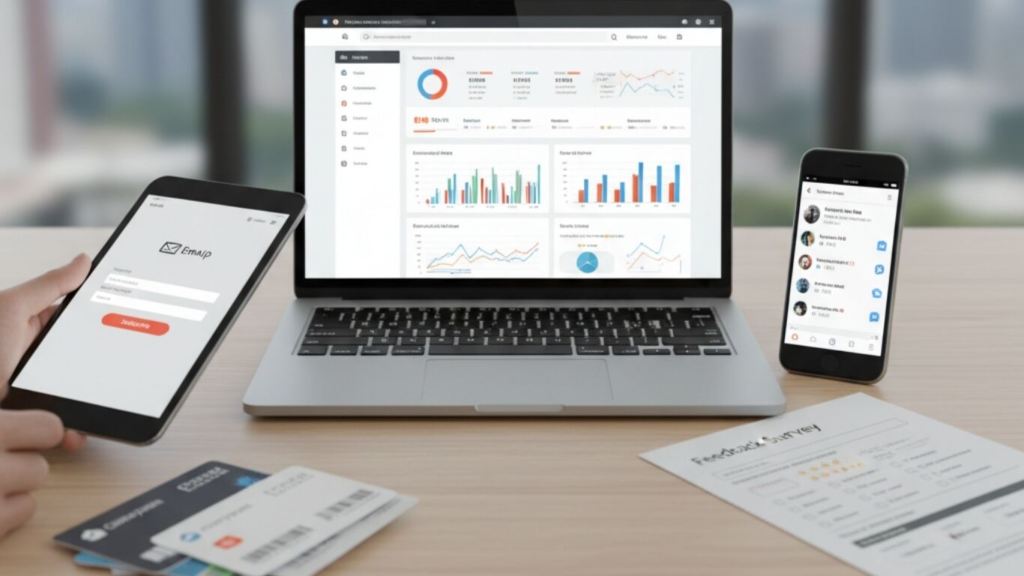
To build a robust first-party data strategy, businesses need to leverage multiple touchpoints across the customer journey. Below are some of the most effective methods:
1. Web and App Analytics
Track user behavior such as page visits, time on site, click patterns, and exit rates using platforms like Google Analytics, Matomo, or custom-built solutions. These metrics provide valuable insights into user interests and intent.
2. Email and Form Signups
Use gated content, newsletter signups, and registration forms to collect:
- Names and contact information
- Communication preferences
- Areas of interest or purchase intent
Make sure all forms are GDPR-compliant with clear opt-in checkboxes.
3. Purchase and Transactional Data
Collect data from e-commerce platforms, point-of-sale systems, or loyalty programs to analyze:
- Purchase history
- Product preferences
- Spending patterns
This information is critical for segmentation and personalized campaigns.
4. Surveys and Feedback Forms
Post-purchase surveys, feedback requests, and polls help gather explicit user preferences. Incentivizing participation with discounts or loyalty points often leads to higher response rates.
5. Social Media Engagement
Monitor interactions like likes, comments, shares, and DMs to understand audience sentiment and content preferences. Social platforms can also be a source for collecting email addresses and driving traffic to gated content.
6. Customer Support Interactions
Collect structured data from live chat, support tickets, and phone call transcripts. This qualitative data provides context around customer pain points and opportunities for product or service improvement.
Example Data Collection Table:
| Channel | Data Collected |
| Website/App | Page views, session time, behavior flows |
| Email/Forms | Contact info, preferences |
| E-commerce | Orders, frequency, cart abandonment |
| Surveys/Feedback | Satisfaction scores, suggestions |
| Social Media | Sentiment, engagement patterns |
| Customer Support | Common issues, resolutions, feedback |
Managing First-Party Data Securely and Transparently

Once data is collected, proper management is essential to ensure it remains compliant, useful, and secure.
Consent and Transparency
Clearly disclose what data is being collected, how it will be used, and obtain explicit consent from users. Implement:
- Opt-in forms with specific checkboxes
- Cookie consent banners
- Transparent privacy policies
Data Quality and Enrichment
Use automation to validate inputs, eliminate duplicates, and enrich data through integrations with CRMs, Customer Data Platforms (CDPs), and email marketing tools.
Secure Storage
Store first-party data in encrypted, access-controlled environments. Use role-based access control (RBAC) to restrict exposure and comply with data protection mandates.
Audit and Governance
Maintain logs of who accessed the data and when. Conduct regular audits to ensure compliance with laws and internal policies. Implement data retention policies to avoid keeping information longer than necessary.
Periodic Reviews
Continuously evaluate your data collection practices. Update consent mechanisms as regulations evolve and perform regular data hygiene checks to clean or anonymize outdated information.
Leveraging First-Party Data for Competitive Advantage

Segmentation and Personalization
Create granular audience segments based on behavior, purchase history, or engagement level. Use this data to tailor:
- Email marketing campaigns
- On-site product recommendations
- Retargeting ads
This enhances relevance and improves conversion rates.
Lookalike Modeling
Analyze characteristics of high-value customers to create lookalike audiences using platforms like Meta Ads or Google Ads. This allows you to expand reach while staying privacy-compliant.
Performance Optimization
Feed your clean and unified first-party data into marketing dashboards to:
- Monitor KPIs like conversion rates, open rates, and bounce rates
- A/B test creatives and messaging
- Attribute sales accurately across channels
Privacy-First Marketing
Avoid dependency on third-party platforms by activating owned data through:
- Direct email marketing
- SMS campaigns
- Personalized web experiences
- Contextual advertising strategies
These tactics ensure marketing remains effective in a world that prioritizes user privacy.
Real-World Example: Retail Brand Success with First-Party Data

A mid-size retail e-commerce brand shifted its advertising model after the decline of third-party cookies. By focusing on first-party data from loyalty programs, website activity, and surveys, they:
- Increased repeat purchases by 40%
- Reduced customer acquisition costs by 25%
- Achieved higher email open and click-through rates
- Remained compliant with evolving regulations
This transformation highlights how a focused first-party data strategy can enhance both marketing performance and customer trust.
Final Thoughts

The digital ecosystem is rapidly evolving, and consumer expectations around privacy are at an all-time high. Businesses must adapt by adopting a first-party data strategy that prioritizes transparency, security, and personalization.
By collecting data directly from customers, managing it ethically, and leveraging it for targeted campaigns, brands can:
- Future-proof their marketing
- Build deeper customer relationships
- Achieve higher ROI
- Stay ahead in a privacy-first world
Conclusion
As we transition into a cookieless future, first-party data is not just an option—it’s a necessity. Businesses that embrace this shift will not only comply with global regulations but also unlock powerful insights that drive smarter decisions, better experiences, and long-term loyalty.
Investing in a first-party data strategy today ensures your business thrives tomorrow.