In the rapidly evolving digital landscape, personalization is no longer a “nice-to-have”—it’s a fundamental expectation. Customers demand experiences that are relevant, seamless, and tailored to their individual preferences. That’s where hyper-personalization in marketing steps in. By leveraging real-time data, artificial intelligence (AI), and advanced segmentation, businesses can deliver highly customized experiences that foster stronger relationships and drive greater revenue.
Unlike traditional personalization, which might use a customer’s name or location, hyper-personalization dives deeper. It uses AI-powered insights and behavioral analytics to dynamically tailor content, offers, and interactions to each individual. As a result, brands can engage with customers at the right time, through the right channel, with the right message—every time.
Advanced Segmentation: From Groups to Individuals

Traditional vs. AI-Powered Segmentation
Traditional marketing segmentation classifies consumers into broad categories based on demographics such as age, gender, or location. While helpful, this method often lacks the nuance needed to address individual customer needs and behaviors.
In contrast, AI-powered segmentation creates real-time microsegments that continuously evolve. These segments are based on live interactions, browsing patterns, purchase history, and behavioral signals, making them far more dynamic and accurate.
Example: A customer initially interested in fitness gear starts browsing maternity products. AI instantly re-segments this user, ensuring future content and offers reflect their current interests, such as baby care items or prenatal health content.
Key Benefits of Advanced Segmentation
- Precision Targeting: Allows brands to deliver messages that resonate on a personal level.
- Higher Engagement: Content tailored to individual behaviors leads to better click-through and conversion rates.
- Adaptive Marketing: Enables brands to respond quickly to changes in customer preferences or life stages.
This level of personalized targeting transforms static campaigns into responsive, customer-centric experiences.
Dynamic Content: Delivering Relevance in Real Time
What Is Dynamic Content Personalization?
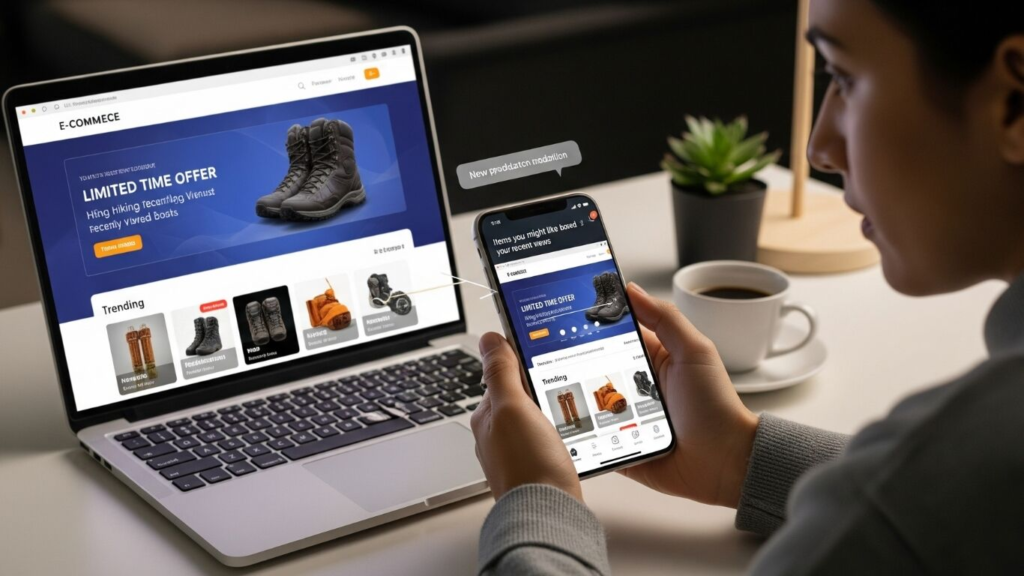
Dynamic content changes in real time based on user behavior, preferences, and contextual signals. Whether it’s an email campaign, website experience, mobile app, or social media ad, AI enables marketers to personalize each touchpoint uniquely for every customer.
Instead of static one-size-fits-all content, hyper-personalized experiences are contextually relevant and actionable, offering exactly what the user needs—when they need it.
Real-World Use Cases
- E-Commerce: A user browsing luxury watches on a retail site may immediately receive tailored emails showcasing limited-time offers on high-end brands, while also seeing personalized website banners and push notifications.
- Travel & Hospitality: A customer searching for flights to Paris might be shown hotel suggestions, sightseeing packages, and restaurant recommendations, all dynamically curated based on their browsing history and preferences.
- Streaming Services: Platforms like Netflix display dynamic thumbnails, personalized categories, and recommendations based on recent watch history and viewing behavior.
The Power of Omnichannel Consistency

Hyper-personalization isn’t limited to a single platform. Using centralized customer data, brands can synchronize personalized messaging across all channels—web, mobile, email, social media, and even physical touchpoints.
This omnichannel consistency ensures a cohesive and satisfying experience, enhancing brand trust and driving repeat engagement.
AI: The Brain Behind Hyper-Personalization
Artificial Intelligence and Machine Learning in Marketing
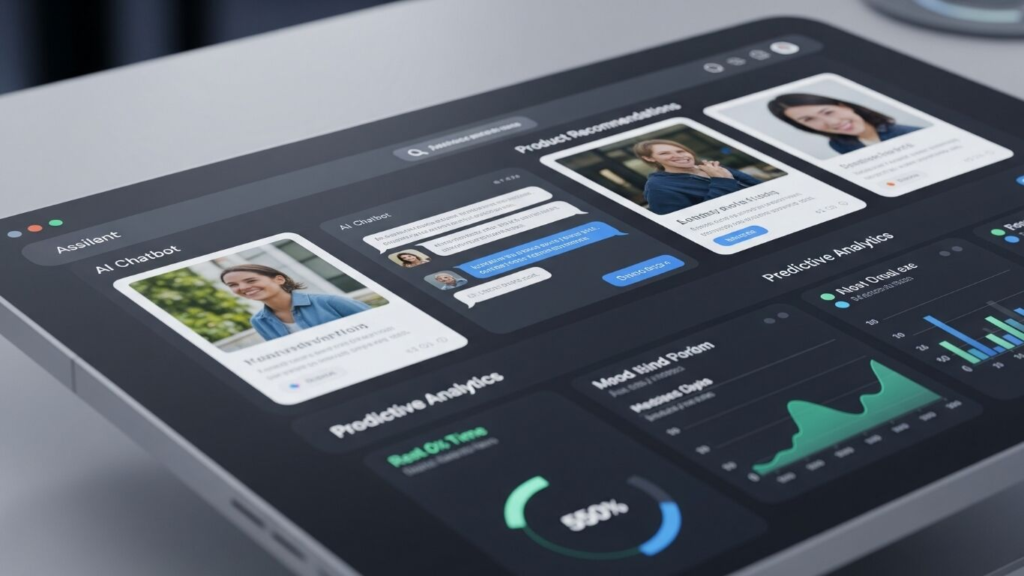
AI is at the core of hyper-personalization. It processes massive volumes of data—far beyond human capabilities—to uncover patterns, predict behaviors, and generate personalized experiences at scale.
With predictive analytics, brands can anticipate what a customer is likely to need next, when they may disengage, and how best to re-engage them. This forward-thinking approach allows businesses to proactively shape customer journeys, rather than react to them.
Automation in Action
AI doesn’t just analyze—it acts. Here’s how automation drives hyper-personalized marketing:
- Automated Chatbots: Provide instant, personalized support and product recommendations based on customer history.
- Product Recommendations: AI engines suggest products or services that align with each user’s behavior and preferences.
- Email & Notification Triggers: Messages are sent at optimal times based on user activity, such as cart abandonment or recent views.
These tools increase operational efficiency while significantly enhancing the customer experience.
Business Impact: Loyalty, Engagement, and Sales

Implementing hyper-personalization in marketing delivers clear business benefits by strengthening customer relationships and driving measurable outcomes. Personalized experiences foster loyalty by creating emotional connections that encourage repeat business and long-term engagement. By proactively tailoring interactions, businesses can also reduce churn, re-engaging customers at critical moments and ensuring they feel valued.
Beyond retention, hyper-personalization directly boosts growth and profitability. AI-driven personalization has been shown to increase sales by 10% and raise customer engagement by 10%–25%, while hyper-segmented campaigns yield up to 25% higher ROI compared to generic ones. With 71% of consumers expecting personalization—and 76% feeling frustrated when it’s absent—delivering tailored experiences is no longer optional but essential to remain competitive in today’s market.
Real-World Examples of Hyper-Personalization in Action
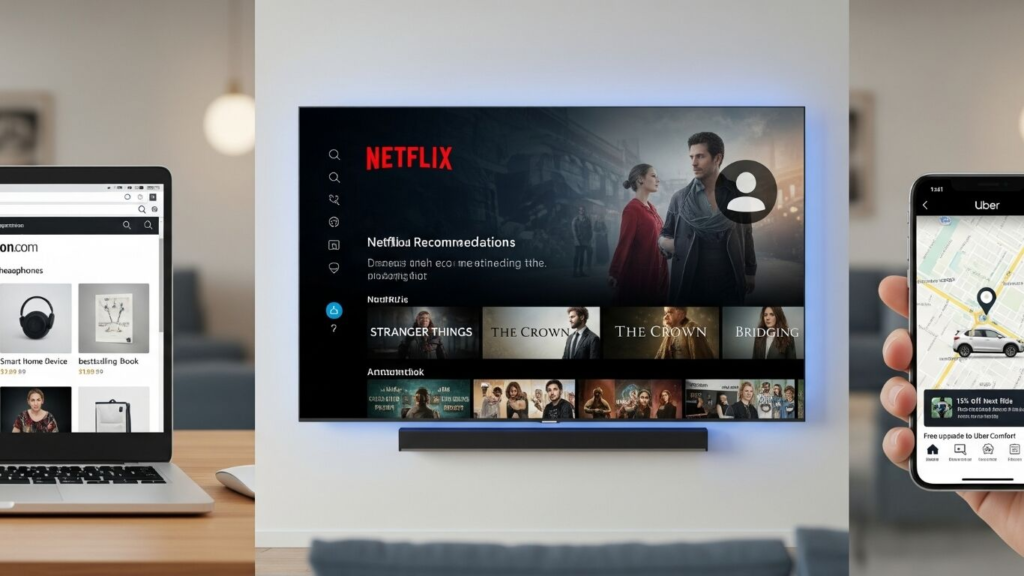
Several leading brands have already embraced hyper-personalization, reaping significant rewards:
- Netflix: Leverages AI to generate personalized recommendations, thumbnails, and user interfaces. This strategy significantly boosts user retention and watch time.
- Amazon: Uses customer browsing and purchase data to fuel its recommendation engine, which accounts for a large portion of its total sales.
- Walmart & Uber: Implement real-time segmentation and predictive targeting to deliver hyper-relevant promotions and services based on customer behavior and location.
These brands have set new standards in digital personalization by aligning their entire ecosystem—products, communications, and services—around the customer.
Challenges to Overcome

Despite its advantages, hyper-personalization requires thoughtful implementation. Common challenges include:
- Data Privacy and Compliance: Collecting and processing user data must align with GDPR, CCPA, and other privacy regulations.
- Technology Integration: Brands need integrated platforms and real-time data pipelines to support seamless personalization.
- Content Scaling: Delivering dynamic content to thousands (or millions) of users requires scalable content creation and automation strategies.
Businesses must invest in the right tools and processes to overcome these barriers and unlock the full potential of hyper-personalization.
Future Trends in Hyper-Personalization
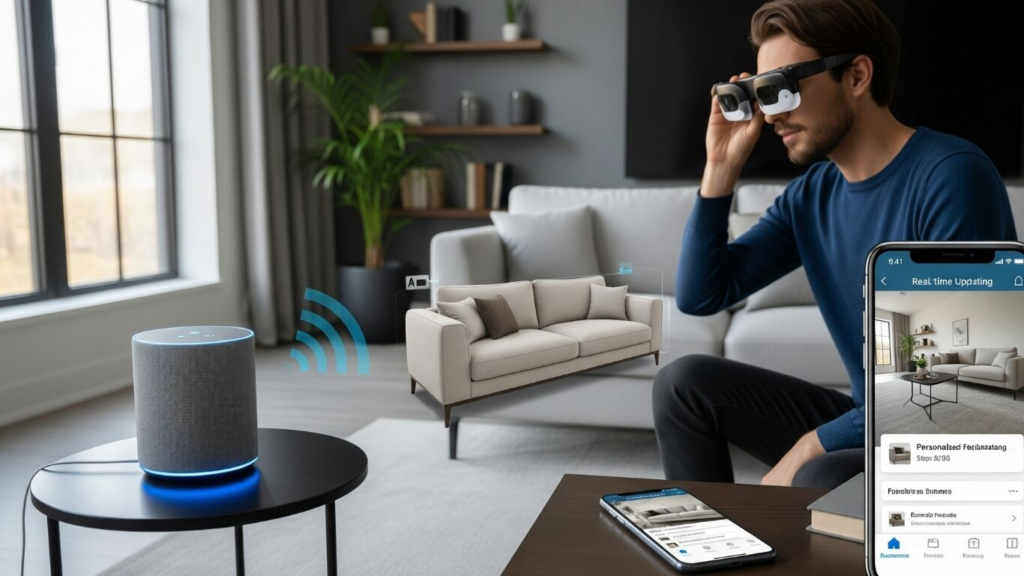
The future of hyper-personalization is being shaped by emerging technologies:
- AI-Powered Voice & Visual Search: Enabling personalized product discovery through smart assistants and camera-based search tools.
- Augmented Reality (AR): Brands like IKEA and Sephora use AR to provide personalized product previews, enhancing decision-making.
- Real-Time Behavioral Triggers: AI-driven engines will soon deliver even more instantaneous personalization, such as altering content as users interact with it.
As technology continues to evolve, so too will the possibilities for personalization, pushing brands toward ever more intuitive and immersive customer experiences.
Key Takeaways

Hyper-personalization in marketing is transforming the customer experience landscape. By combining advanced segmentation, dynamic content, and AI-powered automation, businesses can create relevant, engaging, and memorable interactions at every touchpoint.
- AI and machine learning power real-time personalization at scale.
- Dynamic content ensures customers always see the most relevant message.
- Advanced segmentation enables marketing that evolves with each individual.
- Real-world success stories like Amazon, Netflix, and Uber demonstrate the power of this strategy.
- The future promises even more innovation through voice, AR, and real-time interaction.
Conclusion
In today’s digital-first economy, hyper-personalization is no longer optional—it’s essential. Customers want to be seen, understood, and served in ways that feel natural and intuitive. Brands that embrace hyper-personalized marketing will not only meet these expectations but will foster deeper loyalty, drive higher conversions, and create lasting competitive advantage.
By investing in AI, data infrastructure, and dynamic content strategies, businesses can create customer experiences that are not only effective but extraordinary.