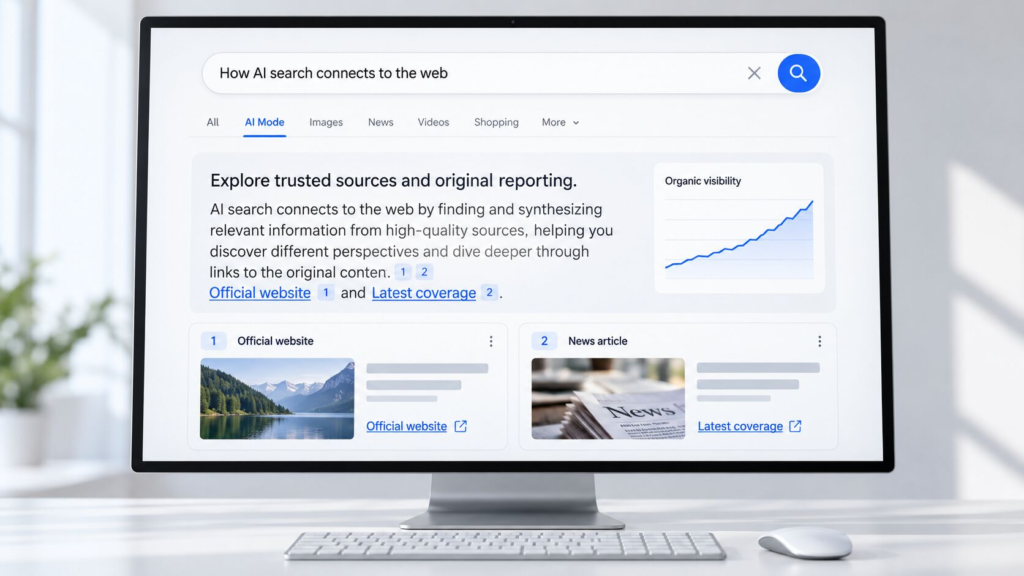

In today’s fast-paced digital environment, where competition for consumer attention is more intense than ever, programmatic advertising has emerged as a powerful tool to streamline, scale, and optimize digital marketing campaigns. Powered by artificial intelligence (AI) and machine learning, programmatic advertising automates the process of buying and placing ads across multiple platforms, delivering precise targeting, real-time optimization, and measurable performance—all with minimal human intervention.
In this blog, we’ll explore how programmatic advertising works, how AI powers this process, the key benefits it brings to digital marketers, and why it’s becoming essential for brands aiming to maximize return on ad spend (ROAS) in a privacy-conscious world.
What Is Programmatic Advertising?
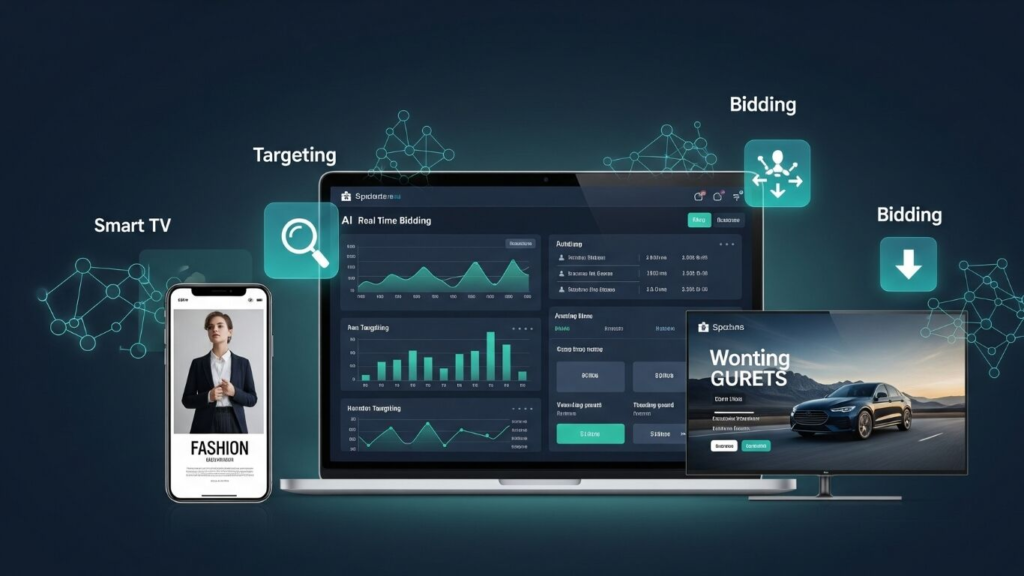
Programmatic advertising refers to the automated buying and selling of digital advertising inventory using AI, data, and real-time bidding systems. Instead of relying on traditional media buying processes that require negotiations and manual insertion orders, programmatic platforms use algorithms to purchase ad space in milliseconds—delivering ads to the right user, at the right time, on the right platform.
Whether it’s display ads, video, social media, or connected TV, programmatic technology simplifies the campaign process and enhances targeting accuracy. The core idea is simple: automation plus data equals better ad performance.
How AI Powers Programmatic Advertising
1. Smarter, Automated Ad Buying
AI is the engine behind the efficiency of programmatic advertising. Here’s how it works:
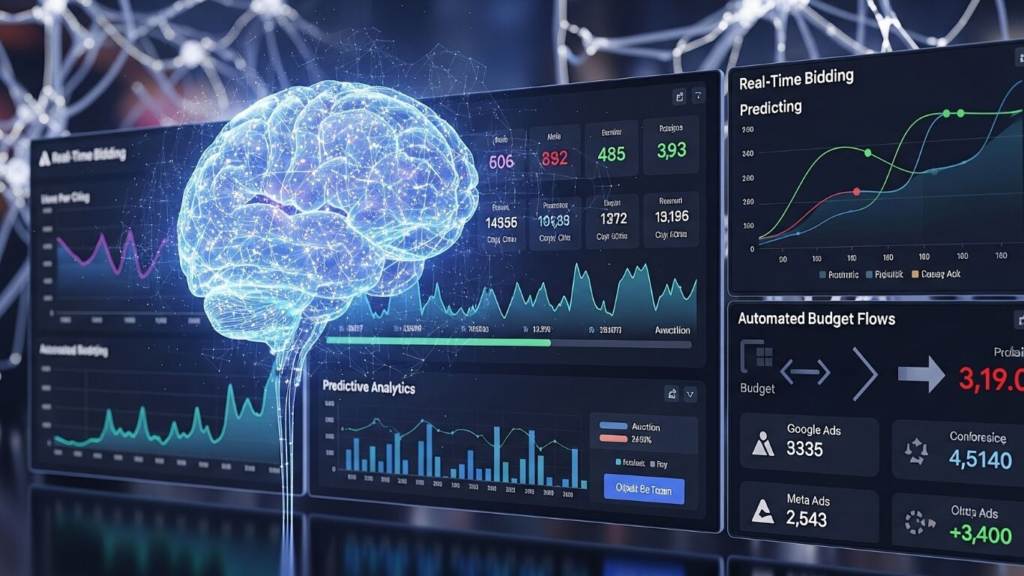
Real-Time Bidding (RTB)
With RTB, AI evaluates millions of ad impressions in real-time and bids only on those that match the advertiser’s specific criteria. This ensures cost efficiency by buying impressions that have the highest likelihood of driving a conversion.
Predictive Analytics
Machine learning models analyze historical user data, campaign results, and market trends to forecast which impressions are likely to lead to conversions. These insights drive smarter bid strategies and reduce ad spend waste.
Automated Budget Allocation
AI automatically reallocates budgets across channels and campaigns based on real-time performance. If one ad group outperforms another, the platform shifts more budget toward that high-performing segment to maximize ROI.
2. Precision Targeting & Personalization
Personalization is no longer optional in digital marketing. AI enables programmatic platforms to reach specific user groups with unmatched accuracy.
Hyper-Specific Audience Segmentation
AI segments users based on detailed behavioral, demographic, and psychographic data. These micro-segments allow marketers to target niche audiences, improving ad relevance and user engagement.
Dynamic Creative Optimization (DCO)
DCO technology tests multiple versions of ad creative—images, headlines, copy, and calls to action—and automatically serves the most effective variation to each user. This dynamic personalization boosts click-through rates (CTR) and conversions.
Cross-Channel and Cross-Device Integration
Programmatic advertising ensures consistent messaging across multiple channels including mobile, desktop, apps, social platforms, and even connected TVs. By tracking users across devices, the customer journey becomes more seamless and effective.
3. Real-Time Campaign Optimization
One of the biggest strengths of programmatic advertising is the ability to optimize in real time.
Continuous Performance Monitoring
AI continuously tracks performance metrics like impressions, CTR, conversions, and bounce rates. Based on this data, it adjusts bidding strategies, audience targeting, and creative elements on the fly.
Fraud Prevention & Brand Safety
AI-powered systems detect suspicious activities such as click fraud, bot traffic, and placements on unsafe websites. These mechanisms protect your ad budget and maintain brand integrity by ensuring ads appear only in appropriate environments.
The Business Impact of Programmatic Advertising

Programmatic advertising delivers a powerful impact on business performance by driving efficiency and optimizing outcomes across the marketing funnel. It enhances budget efficiency by focusing ad spend on high-performing impressions, minimizing waste, and reducing cost per acquisition (CPA). This directly fuels a higher ROI, as machine learning algorithms optimize each stage of the process, from bidding strategies to ad placement, ensuring stronger campaign performance. Moreover, its improved targeting capabilities through micro-segmentation allow for more personalized and relevant ads, increasing engagement and user interaction.
Beyond performance, programmatic advertising also brings unmatched agility and scalability to campaigns. Automated adjustments enable brands to respond instantly to user behavior changes or shifting market dynamics, keeping campaigns timely and effective. At the same time, its ability to manage thousands of ads and variations across multiple platforms ensures that even large-scale campaigns run smoothly. Finally, the added benefit of measurement and transparency through real-time dashboards and detailed reporting gives marketers complete visibility into performance, empowering smarter, data-driven decisions that maximize long-term growth.
Real-World Results of Programmatic Advertising

The real-world impact of programmatic advertising is clear across industries and verticals. Some notable outcomes include:
- 346% Higher ROI: Brands integrating advanced AI-powered data analytics with programmatic inventory buying have reported significant boosts in return on investment.
- 90% CPA Reduction: Automated processes and better targeting significantly lower the cost of acquiring new customers.
- Increased Ad Relevance: Dynamic creative adjustments and real-time personalization lead to higher user engagement and improved brand perception.
These figures underscore how programmatic advertising isn’t just efficient—it’s transformative.
Why Programmatic Advertising Matters Today

The Shift Toward Privacy-First Marketing
With the deprecation of third-party cookies and stricter data privacy laws such as GDPR and CCPA, marketers are under pressure to find compliant yet effective ways to target users. Programmatic advertising offers privacy-safe solutions by leveraging first-party data and contextual targeting, ensuring relevance without intruding on user privacy.
Aligning with Consumer Expectations
Consumers now expect personalized and seamless digital experiences. Programmatic advertising enables brands to deliver content that aligns with individual needs, preferences, and behaviors—improving the overall customer journey.
Competitive Edge Through Automation
Speed is a key differentiator in digital marketing. Automated campaign management allows brands to test faster, learn faster, and scale faster than competitors still relying on manual processes.
Best Practices for Programmatic Advertising Success
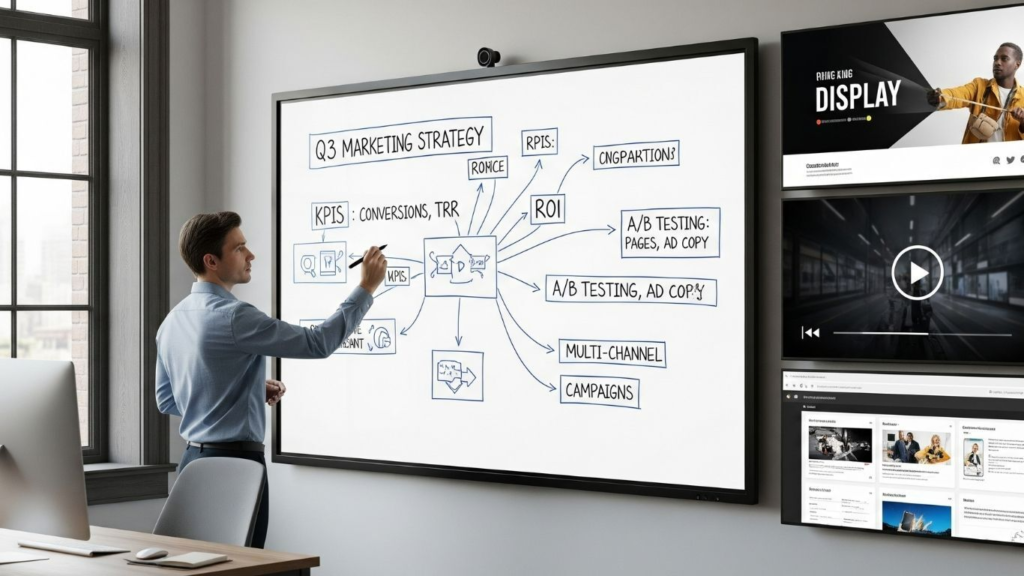
To fully unlock the potential of programmatic advertising, marketers should follow these proven strategies:
- Use High-Quality Data: Invest in clean, reliable first-party and third-party data sources for accurate targeting and predictive modeling.
- Set Clear KPIs: Define measurable goals such as CPA, ROI, CTR, or customer lifetime value to guide optimization.
- Test Creatives Regularly: Use A/B testing and DCO to continuously refine messaging and design for maximum engagement.
- Monitor Brand Safety: Implement filters and verification tools to avoid inappropriate ad placements and safeguard brand reputation.
- Leverage Multi-Channel Strategies: Integrate campaigns across search, display, video, social, and connected TV to ensure consistent messaging.
The Future of Programmatic Advertising

Looking ahead, the evolution of programmatic advertising will be driven by advancements in AI, machine learning, and data privacy technology. Innovations like contextual AI, predictive audience targeting, and programmatic audio and out-of-home (OOH) ads are expanding the possibilities.
As AI becomes more sophisticated, expect smarter automation, deeper personalization, and even better ROI. Marketers who embrace this shift today will be better positioned to lead in the data-driven digital landscape of tomorrow.
Final Thoughts
Programmatic advertising is no longer a luxury for large enterprises—it’s a necessity for any business seeking to grow in the digital age. By automating ad buying and optimization with AI, marketers can run smarter, faster, and more impactful campaigns.
Whether you’re a small business aiming to stretch your ad budget or a global brand managing thousands of ad impressions, programmatic technology empowers you to maximize every dollar spent.
In an environment where relevance, timing, and speed define success, programmatic advertising is the ultimate performance engine.
Ready to take your campaigns to the next level? Start integrating programmatic strategies and let data-driven automation fuel your digital success.