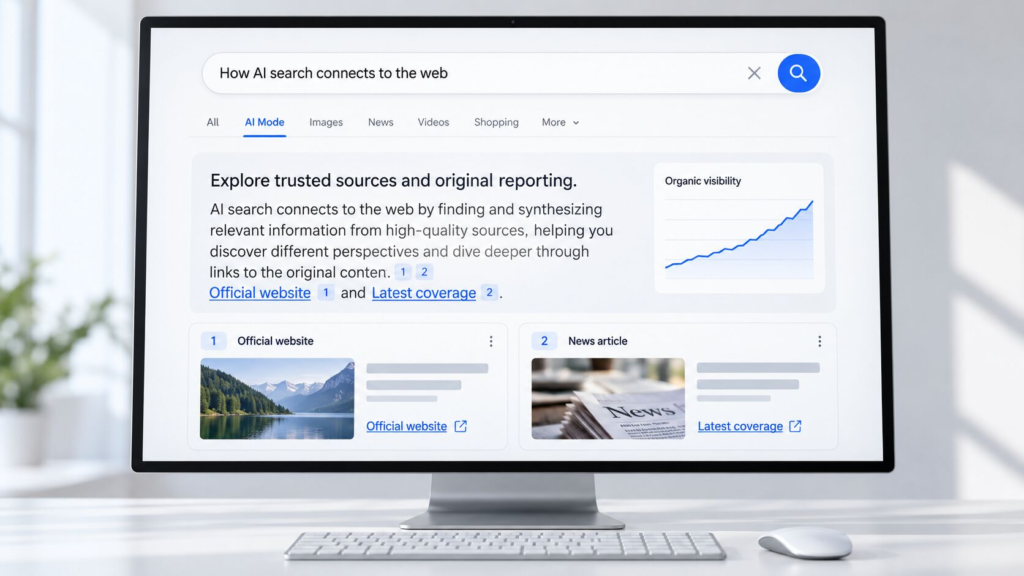

In the ever-evolving digital landscape, traditional text-based search is no longer the only gateway for consumers to discover brands, products, and services. The rise of voice and visual search is redefining how users interact with search engines—and how businesses must adapt their marketing strategies. With the increased adoption of tools like Siri, Alexa, Google Assistant, Google Lens, and Pinterest Lens, optimizing for these new search methods has become essential for customer acquisition.
This blog will explore the growth, impact, and optimization strategies for voice and visual search, and how brands can future-proof their online presence with effective voice and visual search optimization techniques.
Why Voice and Visual Search Matter

Consumers are seeking faster, easier, and more intuitive ways to search for information. Text search still dominates, but voice and visual search are rapidly catching up—especially among younger, mobile-first audiences.
According to recent studies:
- Over 50% of smartphone users utilize voice search regularly.
- Nearly 58% of users have used voice search to find local business information.
- Visual search tools like Google Lens process billions of queries monthly.
- Millennials and Gen Z are increasingly turning to visual tools for product discovery, particularly in fashion, beauty, and home décor.
These evolving behaviors present an incredible opportunity for brands willing to optimize beyond traditional SEO and leverage voice and visual search as customer acquisition tools.
The Rise of Voice Search

Growing Usage and User Behavior
Voice search is no longer a novelty. It has become a part of daily life—whether it’s asking about the weather, searching for a nearby restaurant, or requesting product comparisons. Voice queries tend to be:
- Longer and conversational in nature
- Question-based, often starting with who, what, when, where, or how
- Immediate and action-oriented, especially in local search scenarios
For instance, a user might say, “Where can I buy organic coffee near me?” instead of typing “organic coffee shop near me.”
Why Voice Search Is Important for Businesses

Voice search creates multiple touchpoints throughout the buyer’s journey. Users ask questions when they’re curious, compare options when they’re considering, and place orders when they’re ready. This presents significant opportunities for businesses to guide users from discovery to decision.
Voice Search Optimization Tips

To capitalize on voice search, businesses must tailor their SEO strategies accordingly.
1. Use Natural Language and Conversational Keywords
Optimize your website content with natural, question-based keywords. Include FAQs that directly answer common queries your target audience might ask aloud.
2. Target Featured Snippets
Voice assistants often pull responses from featured snippets. Structure your content to provide clear, concise, and informative answers to common questions. Use bullet points, headers, and short paragraphs.
3. Prioritize Mobile and Local Optimization
Voice searches are predominantly mobile and often local. Ensure your website is mobile-responsive, loads quickly, and contains accurate, up-to-date local business information (address, hours, phone number).
4. Leverage Structured Data
Use schema markup (like FAQ schema or local business schema) to help search engines understand your content and improve the chances of appearing in voice search results.
The Power of Visual Search

Changing the Way People Shop
Visual search empowers users to search the internet using images instead of text. Whether it’s snapping a photo of a lamp they saw at a café or uploading a screenshot of a dress on Instagram, users can instantly find similar items online.
With tools like Google Lens, Pinterest Lens, and Amazon StyleSnap, users can bypass the need for keywords altogether. This is particularly powerful in industries where describing a product in words can be difficult.
Why Visual Search Matters
- Image-Driven Discovery: Visual search creates a seamless transition from inspiration to action. A user sees something they like and immediately finds where to buy it.
- Language Independence: Visual search breaks down language barriers. Users don’t need the correct product name or spelling to find what they’re looking for.
- Younger Demographic Appeal: Gen Z and Millennials are increasingly relying on visual tools, especially in sectors like fashion, home décor, and beauty.
Visual Search Optimization Tips

To take full advantage of visual search, businesses should focus on image quality, metadata, and integration.
1. Use High-Quality, Optimized Images
Ensure all product images are high-resolution, well-lit, and clean. Include multiple angles if possible. Each image should be appropriately compressed for fast loading.
2. Include Descriptive Alt Text and Metadata
Alt tags and image file names should include relevant, keyword-rich descriptions. This not only supports visual search but also improves accessibility and standard SEO performance.
3. Implement Schema Markup for Products
Add schema markup to product pages to provide search engines with structured data, including product name, image, price, and availability.
4. Keep Product Catalogs Up-to-Date
Make sure your product images are indexed, updated regularly, and linked to accurate product pages. This helps search engines return the correct images for relevant queries.
Business Benefits of Voice and Visual Search Optimization

1. Wider Audience Reach
By adopting voice and visual search optimization, businesses can tap into new consumer segments that rely on alternative search methods.
2. Higher Conversion Rates
Users engaging through voice and visual search often show high intent, whether it’s looking for directions, asking product availability, or visually identifying an item to buy. These queries often result in faster conversions.
3. Enhanced Customer Experience
Optimizing for newer search modalities creates a frictionless experience for users. Whether they’re speaking into a smart speaker or snapping a photo on their phone, users appreciate businesses that match their preferred methods of interaction.
4. Future-Proofing Digital Strategy
The use of voice and visual search will only grow. Brands that adopt early gain a first-mover advantage and are more likely to build lasting relationships with tech-savvy, next-gen consumers.
Real-World Case Examples

Sephora
Sephora has integrated visual search into its mobile app. With the “See it, Scan it, Shop it” feature, users can upload a picture and find a matching or similar product from Sephora’s catalog, creating a direct bridge between inspiration and purchase.
Home Depot
Home Depot uses visual search to help users identify tools, home fixtures, or materials they may not know the name of. Users can upload images of items they want to replace, and the app suggests product matches available in-store or online.
Starbucks
Starbucks has optimized its app and systems for voice ordering. Customers can speak their order via Alexa or the app, enabling a completely hands-free, fast, and efficient buying experience—perfect for busy users on the go.
Key Takeaways
- Voice and visual search are here to stay. As mobile usage increases and consumer expectations shift, businesses must evolve their search strategies accordingly.
- Optimizing for voice search requires adapting to natural, conversational language and providing direct answers.
- Optimizing for visual search demands high-quality images, descriptive metadata, and structured product information.
- Brands that invest in voice and visual search optimization today will unlock greater reach, higher engagement, and stronger conversions tomorrow.
Final Thoughts
The way consumers search for information is becoming more interactive, immediate, and intuitive. Voice and visual search are no longer “nice to have” additions to a digital strategy—they are becoming must-haves for any brand that wants to stay relevant, competitive, and customer-centric.
By embracing these technologies and adapting content, SEO, and product strategies accordingly, businesses can attract next-gen customers and drive sustainable growth in a rapidly evolving digital world.
Start optimizing for voice and visual search today—because the future of customer acquisition is already here.